
Montclair Neighbors by Block
A block search is strongest when each source has a small, clear role. The map establishes which parcels are visibly close to the starting address. The property portal and land index test what is recorded for one parcel at a time. Historical directories add a dated publication snapshot. Community organizations add public contacts and meeting leads, not private membership files.
| Source | What it shows about a block | Access |
|---|---|---|
| Montclair GIS Parcels | Adjoining parcel geometry and visible ward, district, school, transit, and service context | Public map for general reference |
| Montclair SDL | Property, tax-lot, owner, permit, complaint, violation, and certificate categories per parcel | Free account; search one parcel at a time |
| Essex PRESS | Recorded instruments, parties, date, block and lot, and legal-document chain | Remote index; older material is in the Public Vault |
| NJ voter status | A lawful confirmation for one identified person | Individual form, never a block roster |
| Historic directories | Printed past names, addresses, and businesses by street or number | Montclair library and history collections |
| Community contacts | Public meetings, district organizations, and civic offices | Official directory and organization contact routes |
A parcel boundary is geography, not household membership. An owner may receive mail elsewhere, a permit applicant may be an agent, and a directory entry is only evidence for the publication year. Keep those labels separate. That distinction is the difference between a defensible block record and an unsupported claim about who is present.
Use an address, parcel identifier, and date as the basic working set. A block and lot is the tax-map identifier for the parcel; a legal description is the land description carried through recorded instruments. Both can remain useful when an older deed does not use the current street number. Keep a source note for each parcel rather than combining several record types into one assumed person profile.
Montclair Neighbors Parcel Method
Begin at the Township of Montclair Map Viewer. Its captured controls include Search by Address, a Parcels layer, map browsing, and layers for wards, voting districts, polling locations, schools, transit, commercial districts, and municipal services. Search the address, locate its parcel, turn on Parcels, and pan or zoom across the visible street segment. The official materials do not document a radius, buffer, or measure tool, so do not claim one is available.
- Search the starting address in the GIS viewer and note the visible parcel location.
- Pan and click nearby parcel polygons. Record block and lot or an owner link only when the live popup actually provides it.
- Use SDL to search each address or block and lot. SDL accepts full or partial address, owner name, block and lot, permit number, and control number after free account access.
- Search PRESS by municipality and block and lot, or by a recorded party name. Compare the legal description, instrument date, and grantor or grantee before treating records as the same parcel.
- Use the Montclair by-street directory when the task becomes a full named-street history rather than the immediate visible block.
The SDL portal entry screen is the account gateway for the address, owner, block-and-lot, permit, and control-number paths.
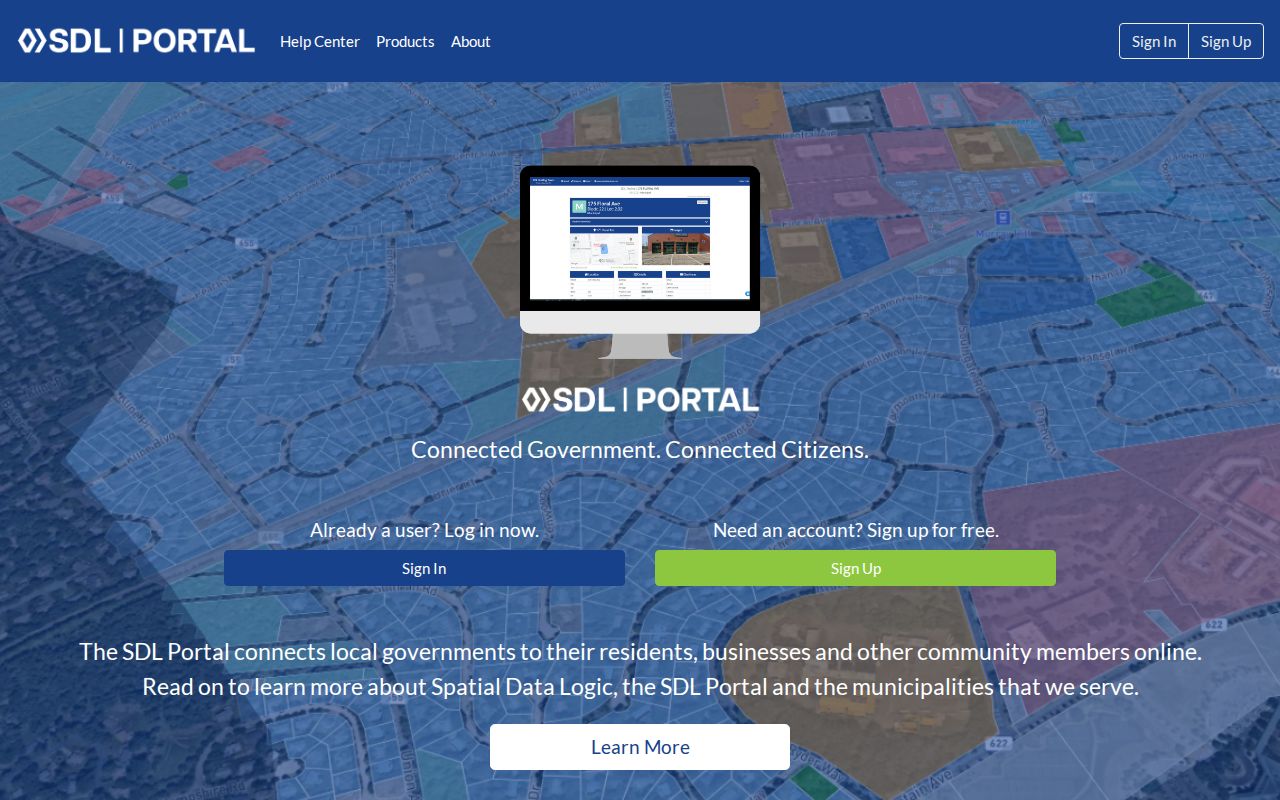
SDL helps compare records for a specific parcel. PRESS then supplies the recorded transaction trail. Its date range is limited to 90 days for a single search, and the remote index begins in 1996 while older land work belongs in the Register’s Public Vault. Neither source supplies a current household roster.
Use a grantor as the party transferring an interest and a grantee as the party receiving it. A recorded document can also involve a trust, estate, corporation, mortgage release, or sheriff’s instrument. Compare the legal description and prior-reference language before joining one instrument to the next. If the online image is absent, the index may still provide enough detail for the Register counter to locate the relevant book or file.
Note: Record the source date and the parcel identifier beside every name so later findings can be checked.
Montclair Neighbors Are Not Household Lists
Myth: a property map or owner record identifies everyone at an address. It does not. GIS represents parcel geometry. SDL provides property-related categories. PRESS records land instruments. Each can contribute evidence about a block, but none converts ownership or a map point into proof of every present occupant. The same caution applies to an old phone or city-directory entry.
For past context, the Montclair History Center Online Collections and local history shelves preserve maps, photographs, oral histories, directories, and archival material. Montclair city directories cover 1870 through 1969, while telephone directories cover 1980 through 1997. Those useful runs are historical layers, not a current address list.
Montclair Neighbors and Voter Records
The New Jersey Voter Information Portal is an individual status checker. It may support a lawful confirmation for one known person, but it cannot be used to browse a street. A registration result also does not prove active physical occupancy. A voter can be inactive, protected, or registered at an address that needs further confirmation.
| Official roll route | Individual status confirmation is public; the statutory full list is arranged by election district, street, residence number, and voter name under N.J.S.A. 19:31-18. |
|---|---|
| Request route | Ask the Essex election custodian for a dated, specific record. The current fee and delivery format were not located in the official materials. |
| Commercial category | Non-official neighbor-search products can be stale, merge people with similar names, or omit protections. They are not a substitute for the originating custodian. |
Public voter-list fields are limited, and signatures, Social Security numbers, and driver or non-driver identifiers are protected. ACP and Daniel’s Law can further limit address visibility. When a record is needed, use the Essex County Clerk forms page to identify the election-material channel, then confirm the current request terms with the office rather than assuming a statewide format.
The statute’s public list arrangement does not change the nature of the individual web tool. Voting history describes participation, not choices on a ballot. A specific election-record request should identify an election district, street, record version, or date range and anticipate lawful redactions. If a status result and a parcel record disagree, preserve the difference and seek a dated source rather than trying to resolve it by guesswork.
Montclair Neighbors Community Contacts
Community sources work best as contact and meeting leads. The Township’s Advisory Committee, Boards, and Commissions directory identifies public civic bodies, including the Civil Rights Commission, Historic Preservation Commission, Planning Board, Zoning Board of Adjustment, and Parks and Recreation Advisory Committee. Their public records concern civic work, not a list of nearby households.
Montclair’s six official business districts offer useful geographic anchors: Upper Montclair, Watchung Plaza, Frog Hollow, Walnut-Grove, Montclair Center, and South End. The Township nonprofit and community listings also identify Montclair Center BID, Upper Montclair Business Association, Rotary, Kiwanis, Women’s Clubs, and other public-facing groups. Treat them as organizations to contact, not as sources of member lists.
The Township board directory is the official starting point for civic contacts and public body information.
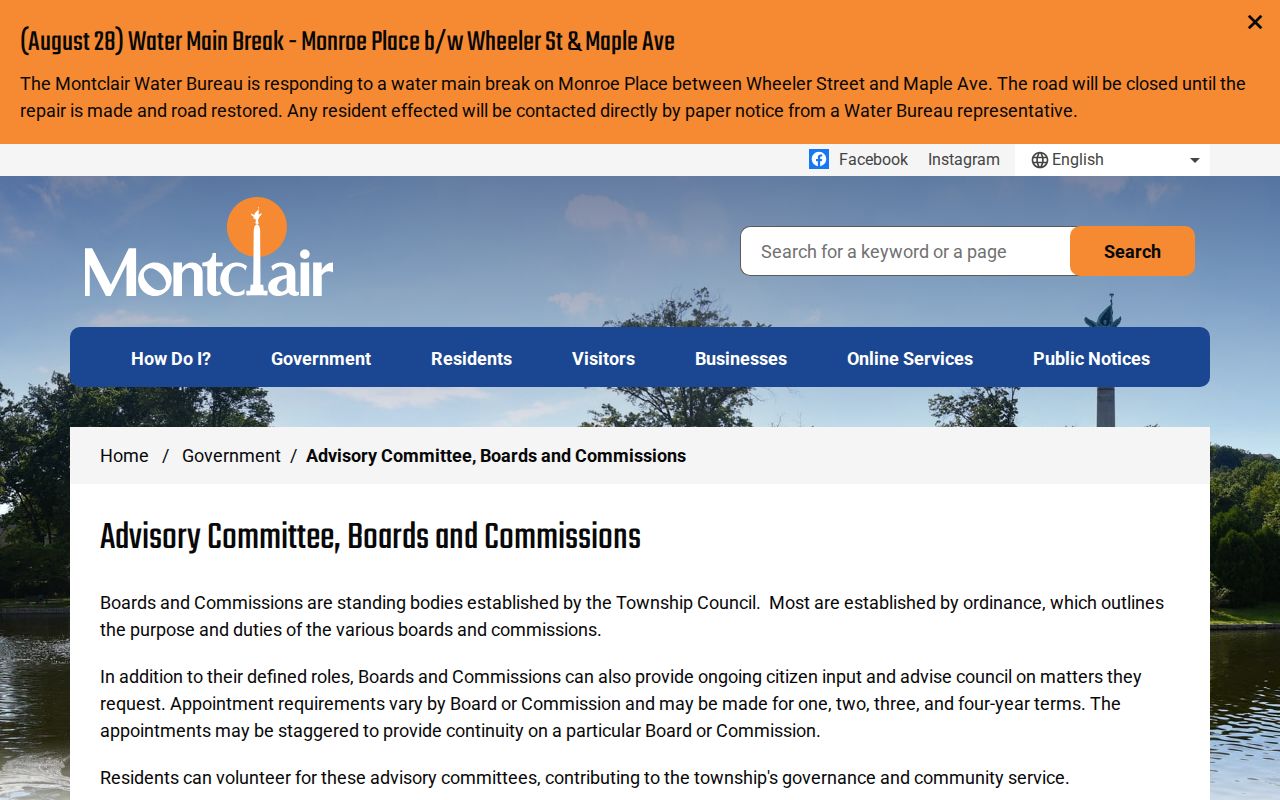
Ask an organization whether it publishes a public contact, meeting calendar, or public record series. Do not expect its internal participant information to be public.
Community geography can also guide a records search. Upper Montclair, Watchung Plaza, Frog Hollow, Walnut-Grove, Montclair Center, and South End are place labels that may appear in a meeting notice, preservation file, business-district resource, or archive description. They describe areas of town, not new municipal boundaries or proof that a person belongs to a group in that area.
Montclair Historic Block Records
Historic-district data can frame a block without naming a modern household. The Township’s Historic Preservation material identifies 77 Pine Street structures, 176 Town Center structures, 93 Upper Montclair structures, and 24 Watchung Plaza structures. Their eras range from the nineteenth century into the twentieth century. A survey form, map, deed, or directory can help explain a parcel’s built history while remaining separate from present-day identity questions.
In 2025, the History Center moved its public collections into a PastPerfect Web Edition portal after updating more than 16,000 objects and archival materials. Use the catalog to find the right map, photograph, oral history, or archive reference before arranging any offline work.
The Montclair History Center catalog provides the collection-search view for that historical layer.
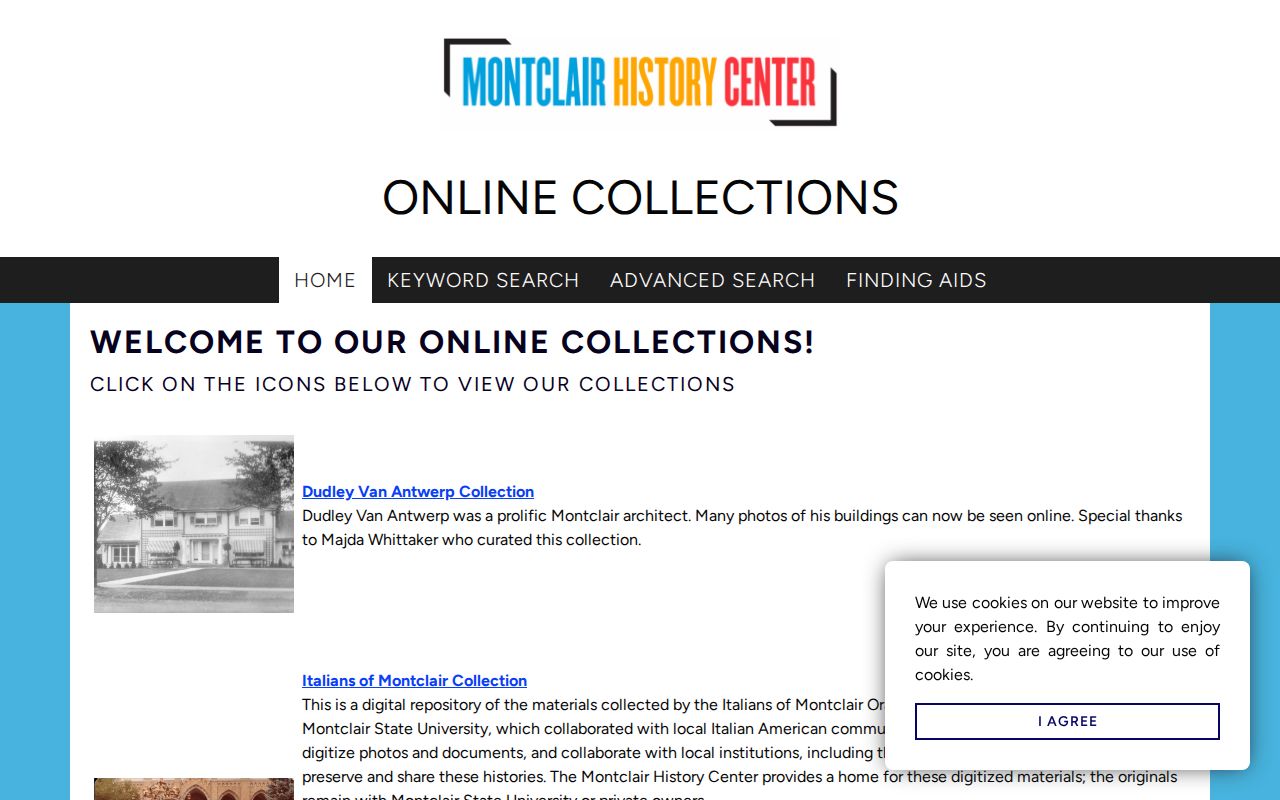
A map can show how a street or block developed, and a directory can supply a dated printed name. Compare both with the parcel’s legal description before linking an older address to a modern one.
Montclair’s older map material sometimes uses West Bloomfield for the present township and Speertown for Upper Montclair. Those terms are historical search variants, not current municipalities. If a historical address seems to vanish, compare the street name, nearby house numbers, map date, and legal description before assuming the parcel was renumbered. No verified town-wide renumbering date was located in the reviewed sources.
Montclair Neighbors Records Requests
When an online parcel route ends, a narrow Montclair request is more useful than a request for everyone on a block. Identify the source first: a Building Office permit, an SDL record category, a tax-map item, a Township board record, or an Essex land instrument. Then give the address or block and lot, a defined date range, the exact fields or document type sought, and whether inspection or copies are wanted. That leaves the custodian with a record series that can be located and reviewed.
For example, a permit request can name the address or block and lot and ask for available permit, inspection, certificate, applicant, or owner fields for a specified period. The Township may redact protected information or ask for clarification. New Jersey’s ordinary OPRA response rule is generally seven business days for an available record, subject to the statute’s review and clarification provisions. A request is not a substitute for a household roster or a way around a protected address.
Montclair Block Record Limits
Public parcel and voter records do not create a list of non-owner occupants, household members, or utility customers. Driver information is restricted by the DPPA. Protected address information can be redacted or replaced. A missing result can reflect an access rule, a historic gap, or an error, so it should never be treated as an invitation to dig around a person’s private life.
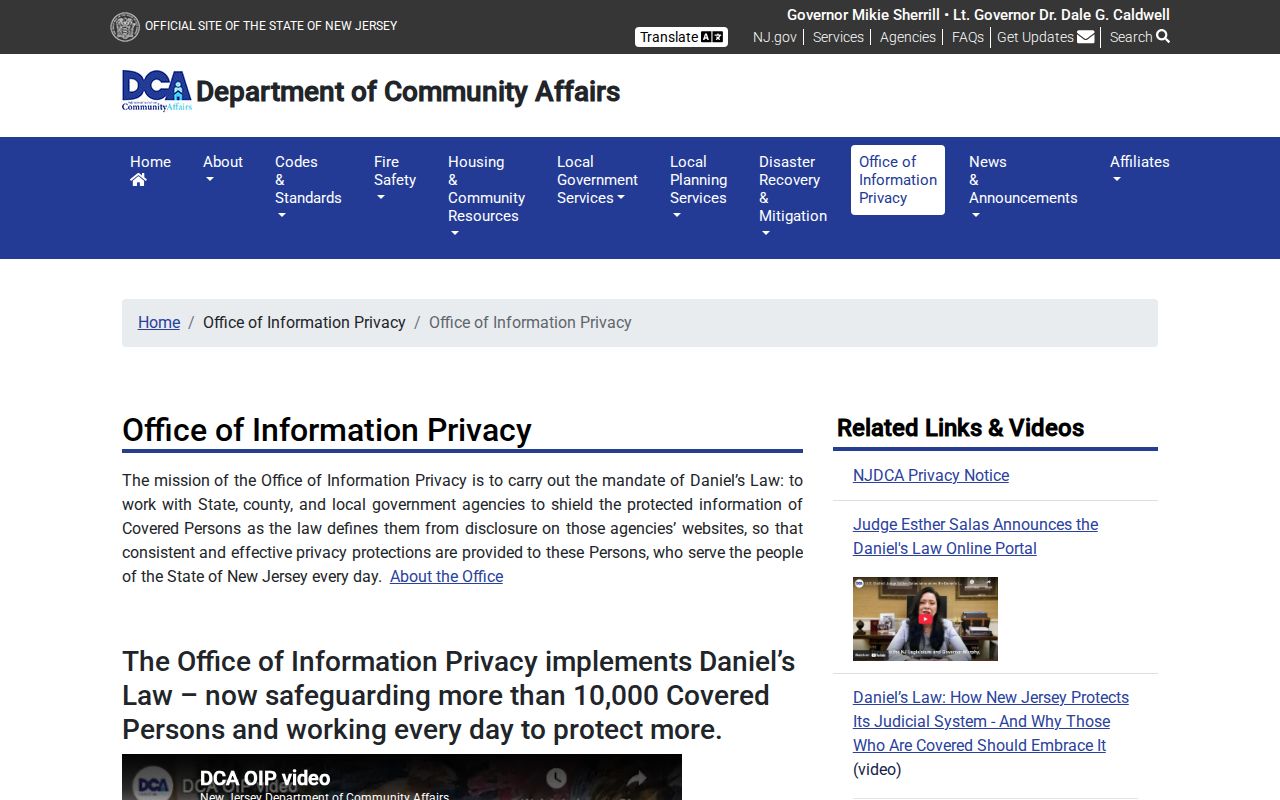
New Jersey’s Office of Information Privacy administers Daniel’s Law protections for covered people and household members. The Address Confidentiality Program provides a substitute address for qualifying participants. Both programs are reasons to respect a redaction or omission. They are not a defect in the parcel map.
The Daniel’s Law information page describes the state privacy protection channel.
For a government record that is not posted online, use OPRA only for a specific series, address or block and lot, date range, and custodian. The usual response period is seven business days under the 2024 law, though a custodian may need clarification or make lawful redactions.
A useful Montclair request names the record type, parcel or address, date range, and the requested fields, such as a permit number or inspection record. Asking broadly for everyone in an area forces a custodian to clarify scope and increases the chance that protected information is involved. The Township and county office that created the record are the right places to verify any release decision.
Lawful use. Use block records for lawful personal research and civic understanding. Never use an address, contact lead, or record to stalk, harass, intimidate, or harm another person.